
Ireland has a way of surprising first-time visitors. People arrive expecting cozy pubs and green fields, and they find all of that, plus sea cliffs that drop straight into the Atlantic, limestone moonscapes, mountain passes carved by glaciers, and islands where the loudest sound is the wind. If you are the kind of traveler who wants to earn your pint of stout with a good day outside, Ireland’s west coast is made for you.
At Black List Tours, we have been planning trips for U.S. travelers since 2020, when we started in Guaynabo, Puerto Rico. One question we hear a lot is: how do you actually put an adventure trip together? So in this post we are pulling back the curtain on how we design an Ireland adventure package, step by step.
Step 1: We Start With You, Not a Template
Every package begins with a conversation. Before we look at a single map, we want to know a few things:
- Your energy level. Do you want a full day on a mountain, or a two-hour coastal walk followed by a long lunch?
- Your comfort behind the wheel. Ireland drives on the left, and many rural roads are narrow. Some travelers love a self-drive road trip; others would rather leave the driving to someone else.
- Your must-sees. For some, it is the Cliffs of Moher. For others, it is a remote island or tracing family roots.
- Your budget. Our packages start under $999 USD per person, and we show you clearly what is and is not included before you commit to anything.
Those answers shape everything that follows. Two travelers can both say “Ireland adventure” and want completely different trips.
Step 2: We Choose Smart Base Camps
The biggest mistake we see in self-planned Ireland trips is changing hotels every single night. It looks efficient on paper, but it means more packing, more driving, and less time on the trail. Instead, we usually build around two or three base camps along the Wild Atlantic Way, the coastal touring route that runs down Ireland’s western edge:
- County Kerry (Killarney area): mountains, lakes, and Killarney National Park right on the doorstep.
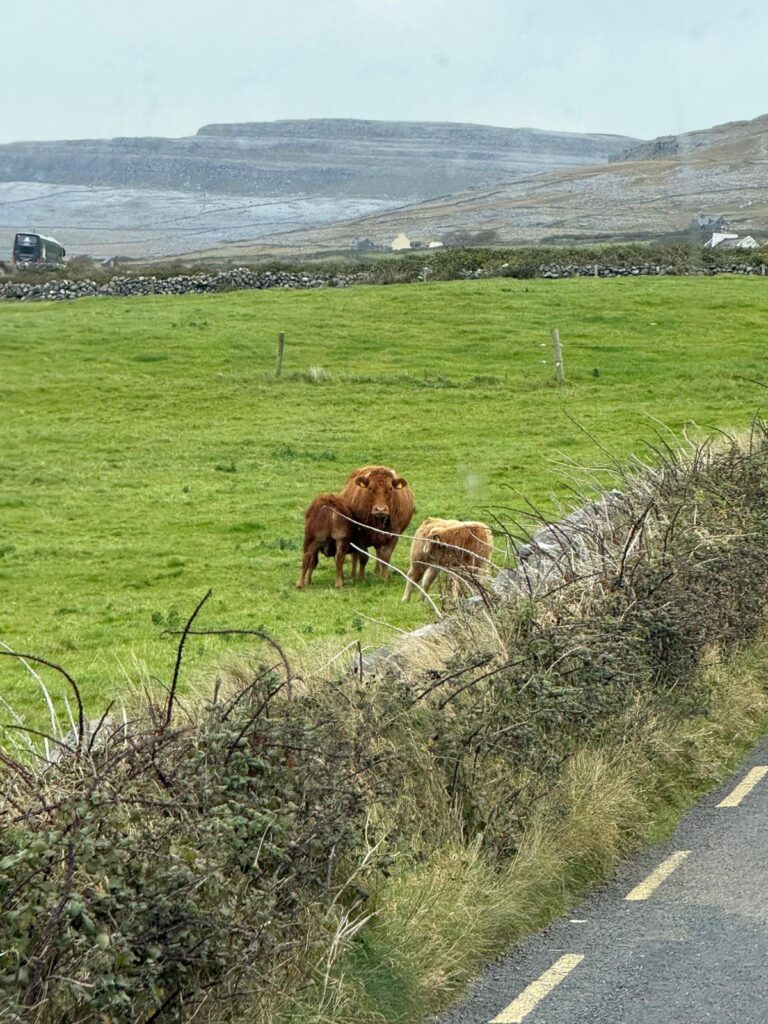
- County Clare: the Cliffs of Moher and the strange, beautiful limestone landscape of the Burren.
- Galway and Connemara: a lively, music-filled city as your hub, with wild bogland, mountains, and ferries to the Aran Islands nearby.
Staying two or three nights in each place gives you room to adjust when the weather shifts, which in Ireland it will.
Step 3: We Layer In the Adventure
Once the base camps are set, we match activities to your style. Here are some of the experiences we like to build around:
- The Gap of Dunloe: a narrow mountain pass near Killarney that you can walk or cycle, passing lakes and stone bridges along the way.
- Carrauntoohil: Ireland’s highest mountain, for confident hikers. We only recommend this with a qualified local mountain guide, because the weather and navigation can change quickly.
- Cliff walking in Clare: seeing the Cliffs of Moher on foot along the coastal trail gives you a very different feeling than the view from the visitor center.
- The Burren: guided walks across limestone pavement, with wildflowers tucked into the cracks in spring and early summer.
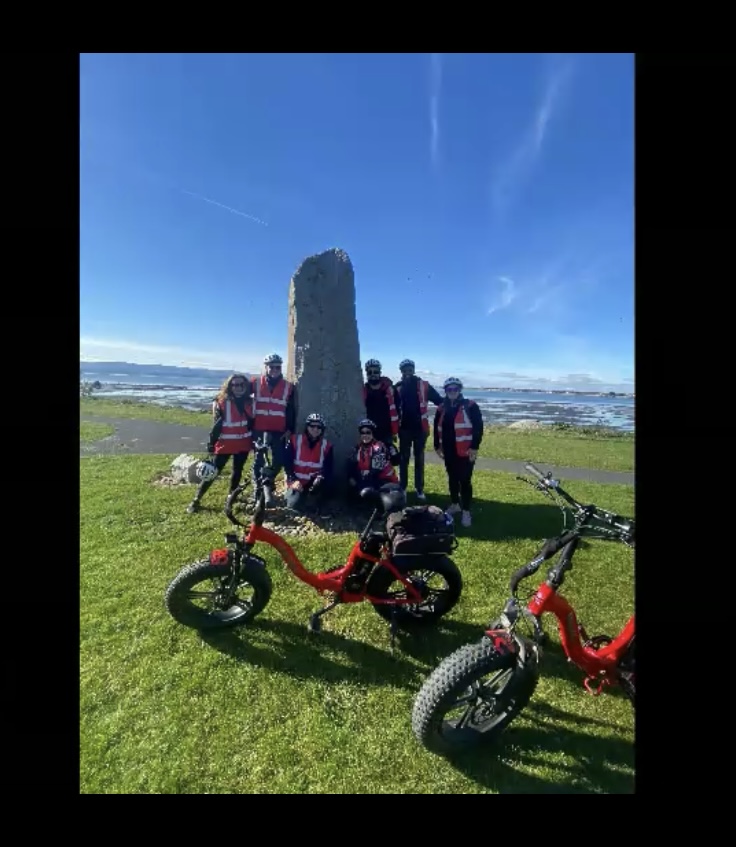
- Inis Mór by bike: the largest of the Aran Islands is perfect for cycling past stone walls to the cliff-edge fort of Dún Aonghasa.
- Croagh Patrick: a steep, rocky pilgrimage mountain in County Mayo with sweeping views over Clew Bay, for those adding a northern leg.
- Skellig Michael: a dramatic island monastery off the Kerry coast. Landing trips are seasonal, limited, and weather-dependent, so this is one we plan well ahead and always pair with a backup option.
We balance big days with easier ones. A tough mountain hike is usually followed by a lighter day of kayaking, a distillery visit, or simply wandering a market town.
Step 4: We Handle Pacing, Transport and the Details
This is where a personal concierge earns their keep. We look at realistic drive times (Irish roads often take longer than the map suggests), ferry schedules, and how much daylight you will have in your travel month. We line up your stays, from family-run B&Bs to comfortable hotels, and flag where you will want a reservation for dinner or a traditional music session.
Here is how a sample seven-day flow might look:
- Days 1–2: Arrive in Shannon or Dublin, head west, and settle into Kerry. Gentle loosening-up walk in Killarney National Park.
- Day 3: Gap of Dunloe by foot or bike, or a guided Carrauntoohil climb for strong hikers.
- Days 4–5: Drive north to Clare. Cliff walk and a guided Burren hike.
- Days 6–7: Galway base. Ferry to Inis Mór for a day of cycling, then a final night of live music before flying home.
Every one of these pieces can be swapped, stretched, or trimmed to fit your time and budget.

Practical Tips for U.S. Travelers Heading to Ireland
- Entry rules: U.S. citizens do not need a visa for tourist stays of up to 90 days. The U.S. State Department says your passport must be valid for the length of your stay, but we always suggest having at least six months of validity for peace of mind. Carrying proof of onward travel is also wise.
- Safety: As of its March 2026 update (checked October 2026), the U.S. State Department lists Ireland at Level 1, “Exercise Normal Precautions,” its lowest advisory level.
- Crossing into Northern Ireland? Northern Ireland is part of the United Kingdom. U.S. visitors generally need a UK Electronic Travel Authorisation (ETA) before entering, even when driving across the open land border from the Republic. The UK began strictly enforcing the ETA in February 2026, so apply ahead if Belfast or the Causeway Coast is on your list.
- Best seasons for adventure: Late spring through early fall brings longer days and the widest choice of boat trips and guided hikes. Summer is busiest, so May, June, and September are sweet spots.
- Pack for four seasons in a day: waterproof jacket and pants, broken-in hiking boots, and warm layers, even in summer.
- Money: The Republic of Ireland uses the euro, while Northern Ireland uses the British pound. Cards are widely accepted, but carry a little cash for rural spots.
- Driving: Traffic keeps left. If you are not comfortable with narrow lanes and stick shifts, ask us about automatic rentals or a private driver.
- Travel insurance: We strongly recommend a policy that covers hiking and weather-related changes.
Ready to Plan Your Ireland Adventure?
Whether you want to stand on the edge of the Atlantic, climb Ireland’s highest peak, or cycle an island where time slows down, we will build a trip around the way you like to travel. Tell us your dates, your energy level, and your wish list using the trip request form on our homepage, and explore more ideas on our Ireland destination page.
Prefer to talk it through? Call us at (305) 699-5093 or email info@blacklisttours.com. Your Irish adventure starts with one conversation, and we would love to have it with you.