
Most people land in Dublin, drop their bags and head straight for the west coast. We get it. The cliffs are calling. But if you give Ireland’s capital two or three unhurried days, it repays you with something the countryside can’t: a living, walkable story of a small nation that shaped literature, music and politics far beyond its size.
At Black List Tours, we have been planning trips for U.S. travelers since 2020, when we started in Guaynabo, Puerto Rico. Our Ireland trips often begin in Dublin, and this guide is how we help clients experience the city’s culture like curious guests rather than rushed tourists.
Start With the Story: Trinity College and the Book of Kells
Trinity College sits right in the heart of the city, and stepping through its front arch feels like leaving modern Dublin behind. The star attraction is the Book of Kells, a richly illustrated manuscript of the four Gospels created by monks around the year 800. Seeing its intricate knotwork and tiny painted details up close is a reminder that Ireland’s monasteries kept learning alive through some very dark centuries.
Your visit also takes you into the Old Library and its famous Long Room, the long, barrel-vaulted hall that shows up in so many travel photos. One honest note: Trinity is in the middle of a major Old Library redevelopment project, and most of the books have been removed from the Long Room for conservation. It is still a striking space, but it may look emptier than the pictures you have seen online, and parts of the experience can change while the work continues. We check the current setup before we book for you.
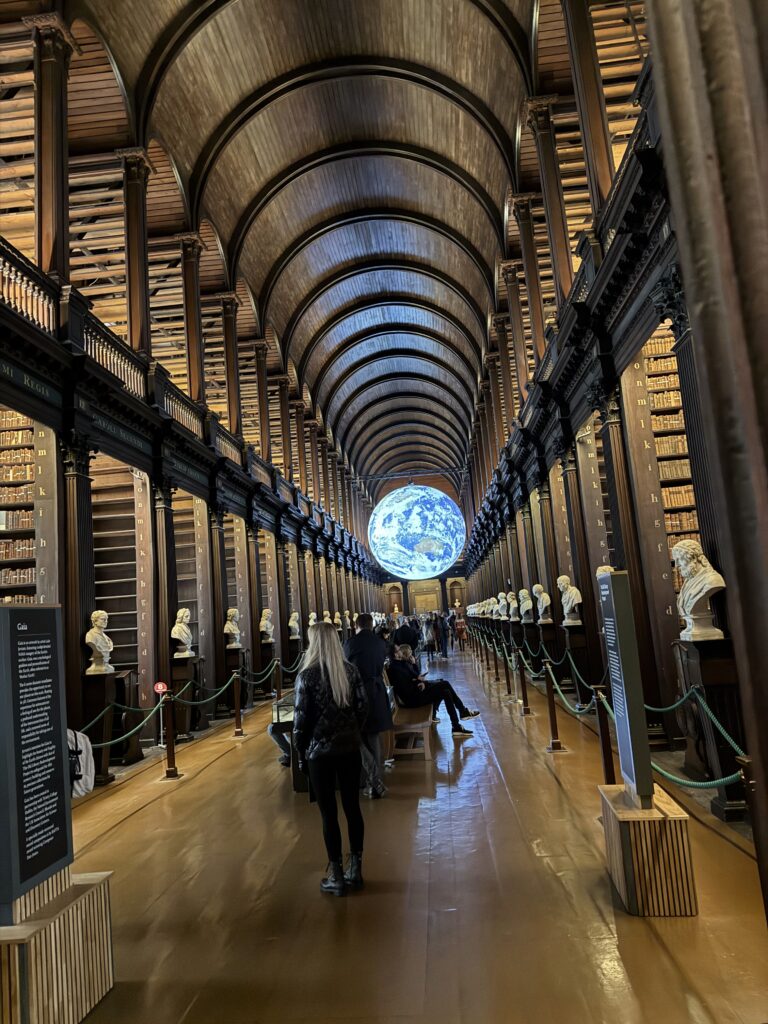
Tickets are sold for set entry times on Trinity’s official visitor site, and popular slots do sell out, especially in summer and on weekends. As of November 2026, standard entry was listed from roughly 19 to 25 euros depending on the option, with a guided version costing more. We always reserve this one ahead.
Dublin Castle and the Chester Beatty
A short walk from Trinity, Dublin Castle has been the seat of power in Ireland for centuries, first for English rule and, since 1922, for the Irish state. The State Apartments are where presidents are inaugurated today, and the contrast between the grand rooms and the history of what happened outside their walls makes for a thought-provoking visit.
Tucked into the castle grounds is one of our favorite stops in the city: the Chester Beatty, a museum and library holding manuscripts, rare books and art from across Asia, the Middle East, North Africa and Europe. It is a quiet, world-class collection that many visitors miss entirely, and its rooftop garden is a lovely place to pause.
O’Connell Street, the Liffey and the Road to Independence
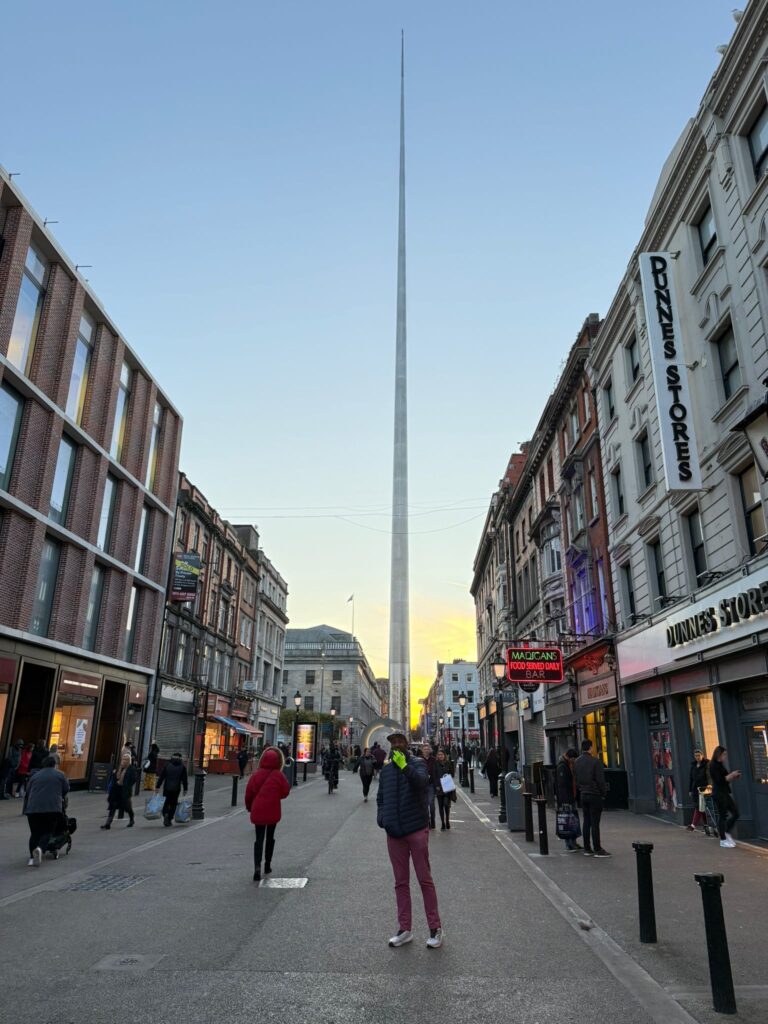
Cross the River Liffey and you reach O’Connell Street, Dublin’s grand main avenue, marked by the tall steel Spire. This street was at the center of the 1916 Easter Rising, when Irish rebels seized the General Post Office and declared an Irish Republic. The Rising was put down within a week, but it set Ireland on the path to independence.
To understand what came next, we send history lovers to Kilmainham Gaol, the former prison where leaders of the Rising were held and executed. Access is by guided tour only, and the guides tell the story with real care. Tickets go on sale online 28 days ahead and are non-refundable, so this is a booking we lock in as soon as your dates are set. A small number of same-day tickets are released online each morning, but we would not count on them.
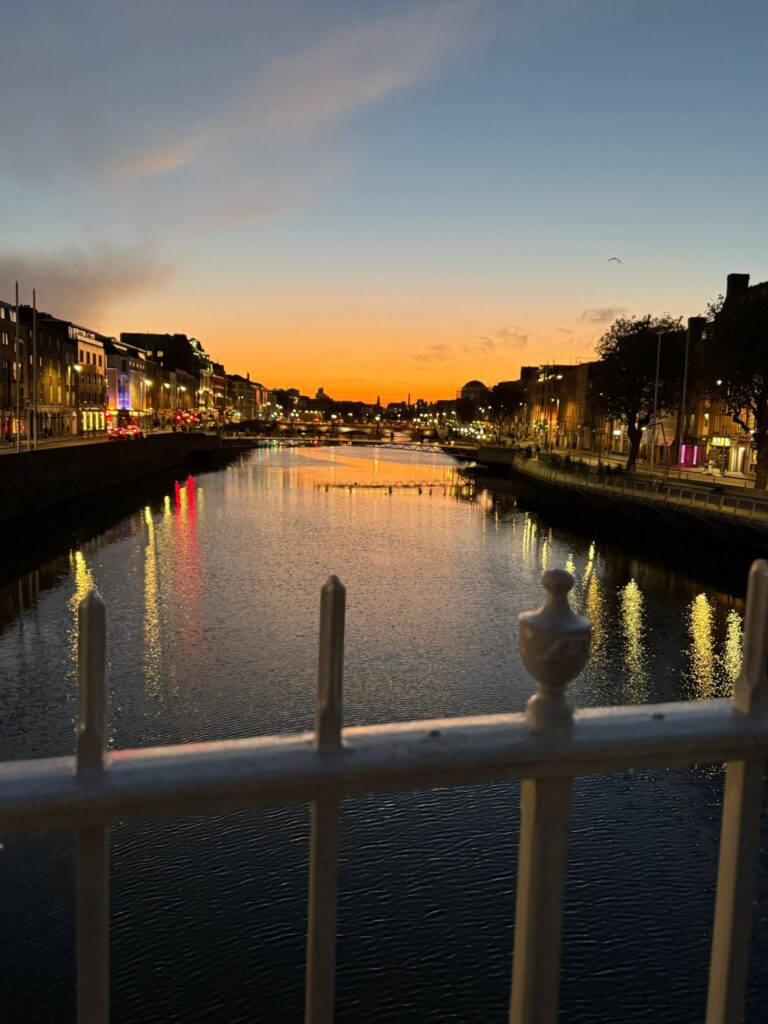
Between stops, take time to walk the Liffey quays and cross the Ha’penny Bridge. Dublin is compact, and some of the best moments happen between the landmarks.
Music, Pubs and Temple Bar
You cannot talk about Irish culture without talking about music. A traditional session, or seisiún, is not a concert. It is a group of musicians sitting around a table playing fiddles, flutes, tin whistles, bodhrán drums and more, often with no set list and plenty of joking between tunes. Some sessions are scheduled; others simply happen.
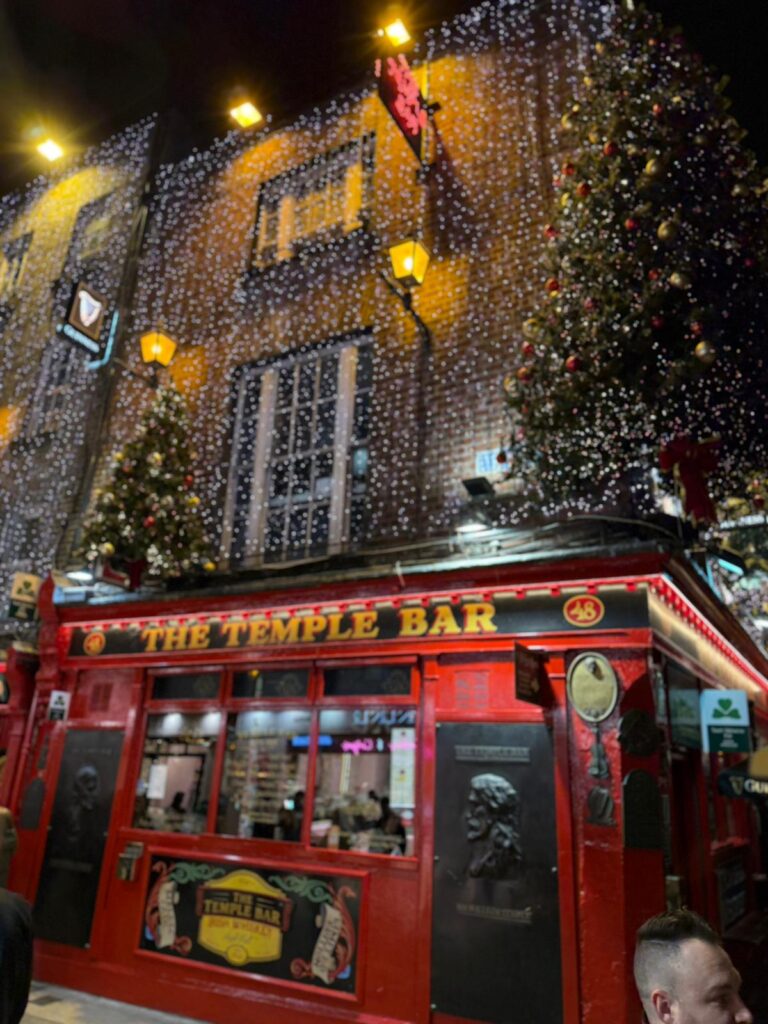
Temple Bar is the neighborhood most visitors head for, with colorful pub fronts, cobblestones and live music most nights. It is fun and worth seeing, but it is also busy and priced for visitors. For a more local feel, we point clients toward pubs a few streets away and in neighborhoods like Stoneybatter and the Liberties, where a pint is cheaper and the conversation is easier.
A few unwritten rules: if a session is underway, keep your voice down during slow airs and songs; don’t pull out an instrument unless you are invited; and if you join a group, you will likely be expected to buy a round when your turn comes.
Words, Language and Everyday Culture
Dublin is a UNESCO City of Literature, and the city wears that title lightly but proudly. James Joyce, Oscar Wilde, Samuel Beckett and W.B. Yeats all have ties here, and you will spot plaques, statues and bookshops everywhere. Readers will enjoy the Museum of Literature Ireland (MoLI) on St Stephen’s Green.
You will also notice the Irish language, Gaeilge, on street signs and public transport. English is spoken everywhere, but learning a word or two goes a long way. Try Dia duit (hello) and go raibh maith agat (thank you). And when someone asks what the craic is, they are asking what’s new or what’s fun, not anything you need to worry about.
Practical Tips for Your Dublin Culture Days
- Entry rules: U.S. citizens do not need a visa for a tourist visit to Ireland, but your passport should be valid for your whole stay. Ireland is not part of the Schengen Area, so it runs its own border checks.
- Heading north? If your trip includes Belfast or the Giant’s Causeway, Northern Ireland is part of the UK, and U.S. visitors need a UK Electronic Travel Authorisation (ETA) even when crossing by road from Dublin, where there are no border checks. Apply online a few days before you go.
- Safety: Dublin is generally comfortable for visitors, but watch for pickpockets in busy areas. Check the current U.S. State Department travel advisory for Ireland at travel.state.gov before you travel.
- Book ahead: Trinity College and Kilmainham Gaol are the two cultural visits most likely to sell out. Reserve them first, then build your days around them.
- Money: Ireland uses the euro, and cards are accepted almost everywhere. Tipping around 10 percent for good table service is appreciated but not required.
- Pack for rain: A light waterproof jacket and comfortable walking shoes will serve you in any season.
- Pace yourself: Two big museum visits a day is plenty. Leave your evenings open for music.
Plan Your Ireland Trip With Black List Tours
Whether you want two days of history and music in Dublin before heading west, or a full cultural journey across Ireland, we will handle the timed tickets, the pacing and the local recommendations so you can simply enjoy it. Our packages start under $999 USD per person.
Ready to start? Fill out the trip request form on our homepage, explore our Ireland trips, or reach us at (305) 699-5093 or info@blacklisttours.com. Sláinte, and see you in Dublin.