
Havana has a way of getting under your skin. The rhythm of a son band drifting out of a doorway, the pastel facades along the Malecón, the conversations that start over a cafecito and run for an hour. For many of our travelers, Cuba sits at the very top of the list. It is also the destination where planning matters most, because for U.S. travelers the rules are different from anywhere else we go.
This post pulls back the curtain on how Black List Tours puts together a Cuba trip: what the law allows, how we shape each day, where you stay, and what you need to pack and prepare. Think of it as a conversation with your personal travel concierge before you ever book a flight.
First Things First: What U.S. Law Allows
Let us be plain about this. U.S. law does not allow tourist travel to Cuba. Americans can only travel there under one of the travel categories authorized by the Treasury Department’s Office of Foreign Assets Control (OFAC).
Black List Tours plans Cuba trips only under the OFAC “Support for the Cuban People” category (31 CFR 515.574). We do not plan resort stays or beach-only vacations, but that does not mean the beach is off the table (more on that below). Every itinerary we build is designed around that category’s requirements, and every traveler takes part in it individually.
Here is what that category asks of you, in everyday terms:
- A full-time schedule. Your days should be filled with activities that build real, meaningful interaction with Cuban people and support the island’s independent private sector and civil society. Free time and recreation cannot be the focus of the trip.
- Each traveler qualifies on their own. OFAC is clear that a group does not qualify just because some people in it do. If you travel with friends or family, each of you needs a qualifying schedule.
- Private, not state-run. Staying in a casa particular, eating at privately owned paladares and shopping with independent entrepreneurs supports the people the category is meant to help. Those choices count, but on their own they do not fill a full-time schedule.
- Keep your records. Travelers must keep records of their Cuba-related transactions, and the general guidance is to hold on to them for at least five years.
The rules have also been tightening. A presidential executive order in May 2026 expanded Cuba sanctions, and new Treasury regulations took effect on September 30, 2026. Among other changes, they ended group people-to-people travel and expanded the ban on financial dealings with entities on the State Department’s Cuba Restricted List. Support for the Cuban People remains in the regulations as of our November 2026 review, but this is an area that can change quickly, so we recheck the rules for every trip we plan.
Where You Stay: Casas Particulares in Havana
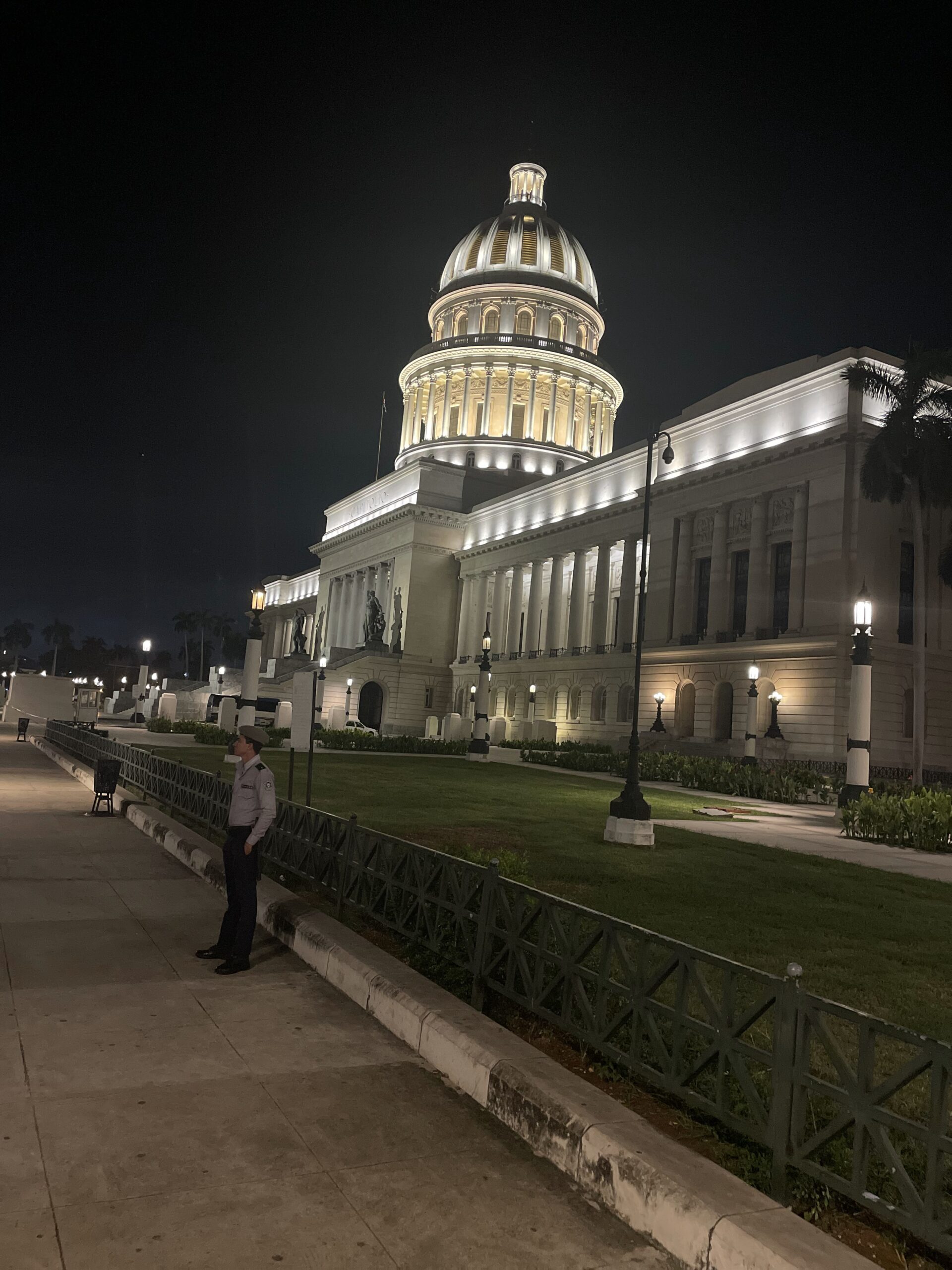
Your home base will be a privately owned casa particular or a private Airbnb-style rental, mainly in Havana. This is one of our favorite parts of a Cuba trip. Casas are run by Cuban families, so your stay supports a local household directly, and hosts are often the best source of neighborhood tips you will find.
We look for casas in walkable areas such as Old Havana, Centro Habana and Vedado, with reliable hosts who communicate well before you arrive. We also check every lodging choice against OFAC’s Cuba Prohibited Accommodations List, which bars U.S. travelers from staying at certain hotels and properties tied to the Cuban government. Choosing private homes keeps you on the right side of that rule and puts your money where it does the most good.
How We Build Your Day-by-Day Itinerary
A Black List Tours Cuba itinerary is not a checklist of sights. It is a schedule of encounters. When we design one, we work from a few simple principles:
- Start with people. We build days around time with Cuban artists, musicians, cooks, guides and small-business owners, the kind of experiences where conversation is the point.
- Keep it independent. We favor privately run experiences, such as walking tours led by independent guides, cooking classes in family kitchens, and visits to artist studios and community projects.
- Balance energy. A full-time schedule does not have to mean exhausting. We mix morning walks, long lunches at paladares, afternoon workshops and evening music so the trip feels lively rather than rushed.
- Document as we go. You leave with a written day-by-day itinerary that doubles as part of your records, along with tips on what receipts to keep.
A sample day might look like this: a morning walk through Old Havana with an independent guide who grew up in the neighborhood, a hands-on cooking session and lunch with a family-run paladar, an afternoon at a private art studio talking with the artist about their work, and an evening listening to live music at a privately owned venue. Every stop involves real interaction, and your spending stays with the people you meet.
A Glimpse of Santería
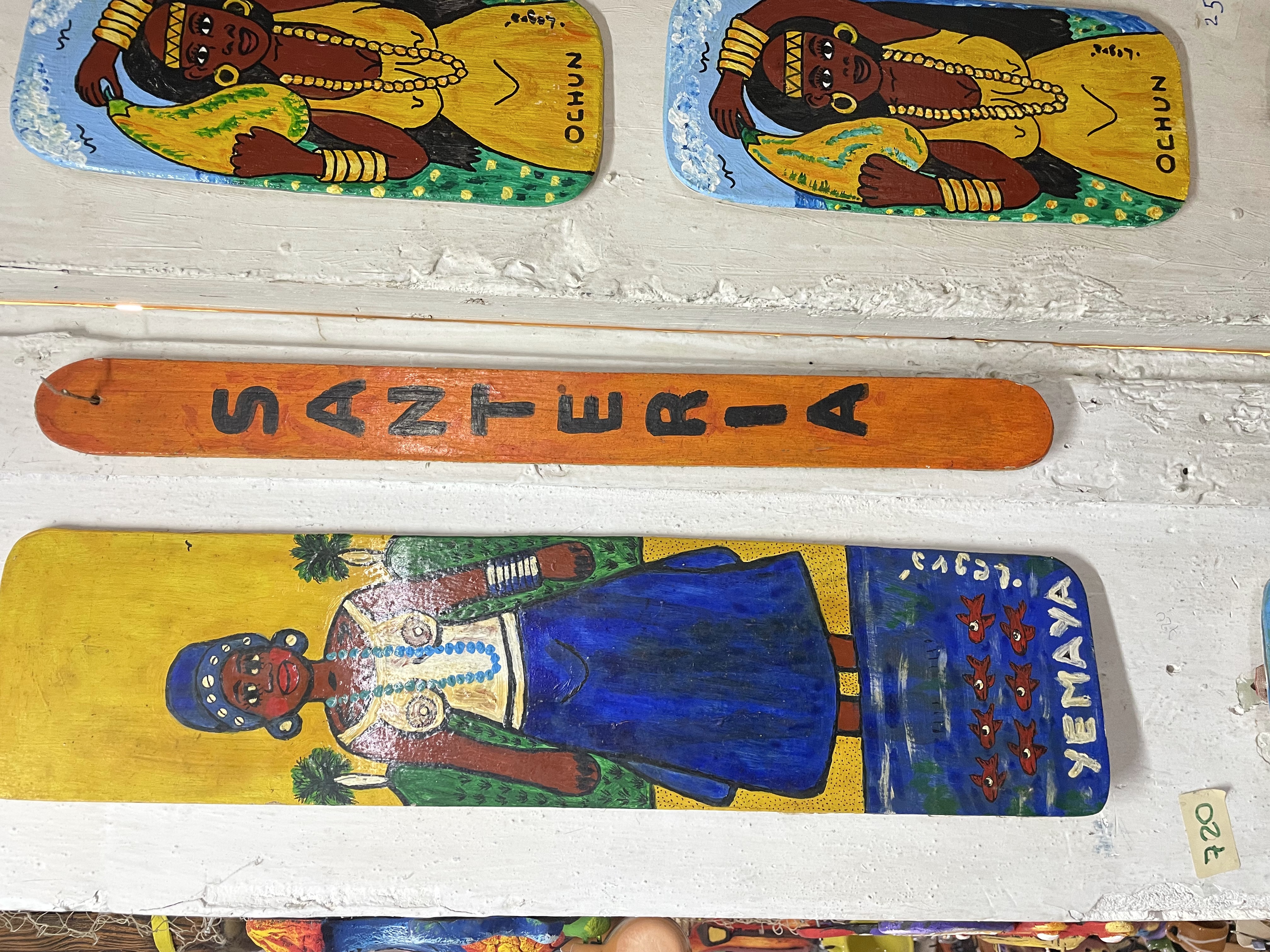
You cannot really understand Cuba without knowing a little about Santería, also called Regla de Ocha. This Afro-Cuban faith grew out of the Yoruba traditions that enslaved West Africans carried to the island, which over time became intertwined with Catholic saints. Its spirits, the orishas, show up everywhere once you know to look: in music, in dance, in art and in everyday conversation.
Around Havana you may spot people dressed head to toe in white, often a sign of a recent initiate. Where it fits your interests, we can include respectful encounters with local practitioners or artists inspired by the tradition. Follow your host’s lead, and always ask before taking photos.
Yes, You Can Still Hit the Beach
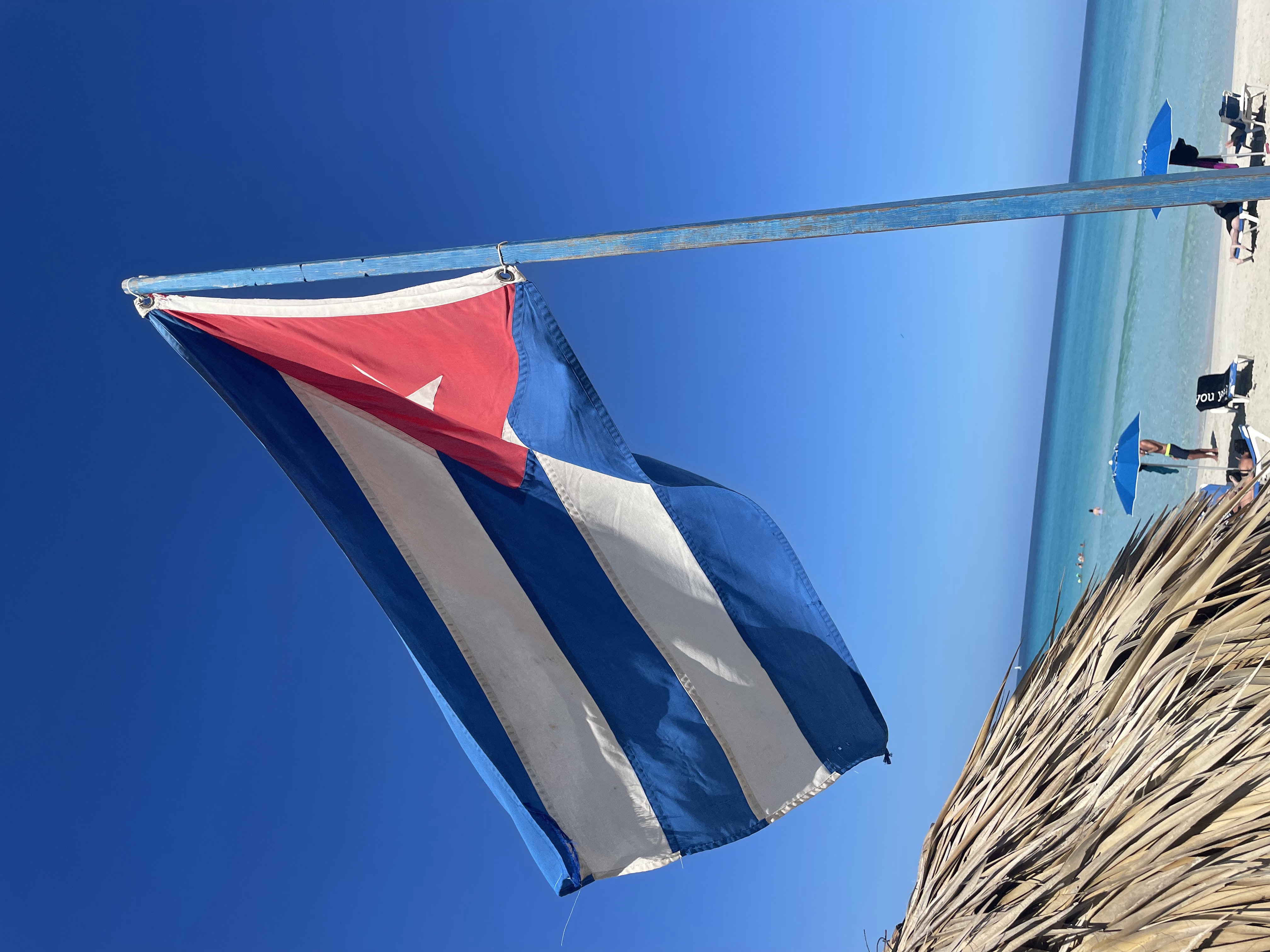
Here is something many travelers do not realize: Support for the Cuban People does not mean zero downtime. The rule is that free time and recreation cannot go beyond what fits a full-time schedule. That means a beach afternoon can be part of your trip when it sits inside an otherwise full itinerary.
When our travelers want sand and sea, we arrange it through a privately owned Cuban tour operator. For example, a local guide might drive you out to the beaches east of Havana, with lunch at a family-run spot along the way and plenty of real conversation. What we will not do is plan a week of lounging by the water. We keep the beach as one great moment in a trip built around people.
Getting There and Getting Around
Several U.S. airlines fly direct to Havana from cities like Miami, Fort Lauderdale and Tampa, and the flight from South Florida is under an hour. When you book, you will select your travel category, which for our trips is Support for the Cuban People.
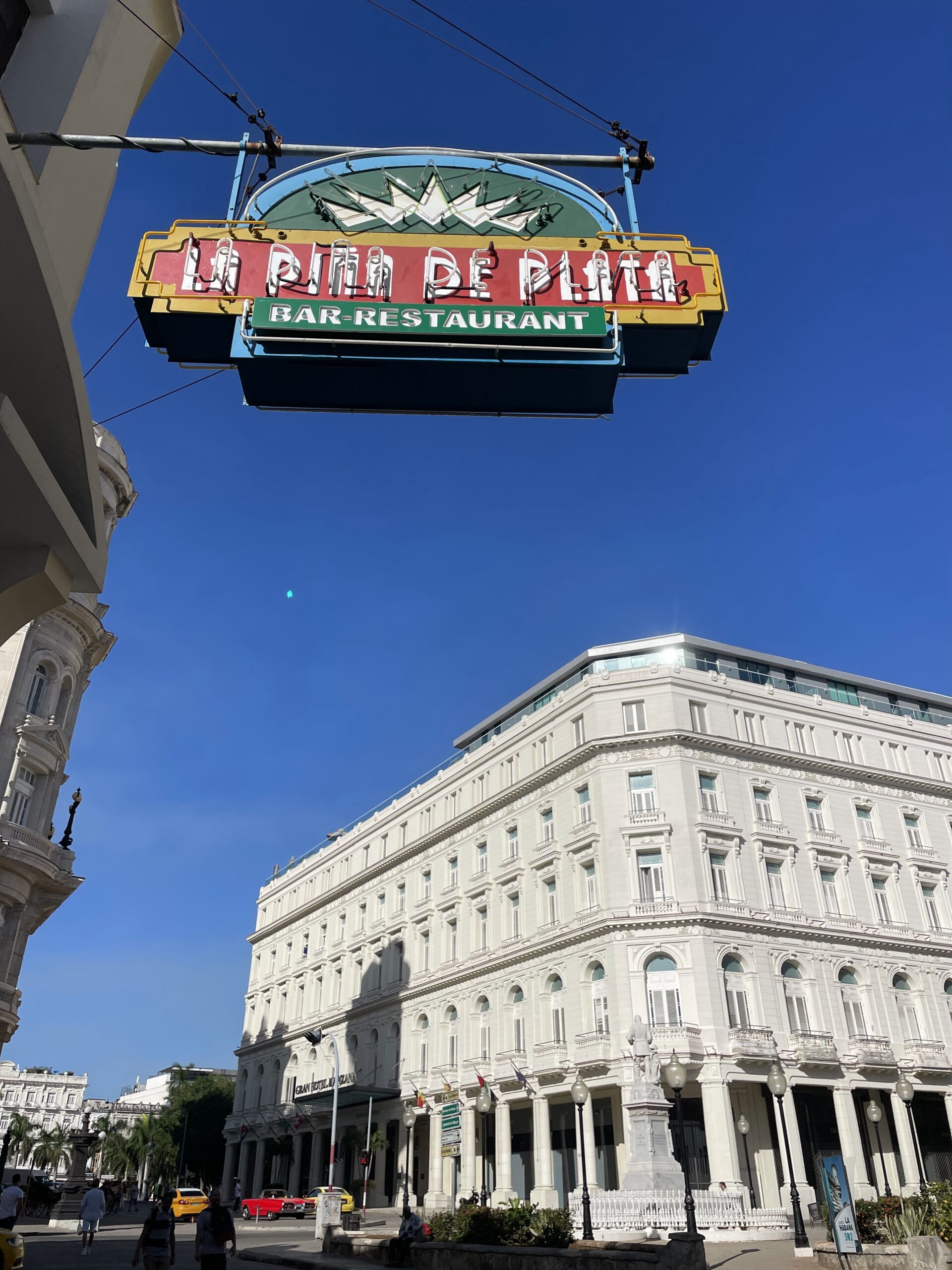
On the ground, Havana is best explored on foot, supplemented by private taxis and the classic cars you have seen in photos. We arrange airport transfers with private drivers so your arrival is calm, even if your flight lands late.
Practical Tips for Your Cuba Trip
- Tourist card. You need a Cuban tourist card (a visa). U.S. travelers usually buy it through their airline, often at check-in, and prices vary by carrier.
- Travel health insurance. Cuba requires travel medical insurance that is valid on the island. Many U.S. health plans and some travel insurers do not cover Cuba, so check your policy carefully.
- Arrival form. Cuba asks travelers to complete the online D’Viajeros health and customs form before arrival.
- Bring cash. U.S.-issued credit and debit cards do not work in Cuba. Plan to bring enough cash for your whole stay, and we will help you estimate a realistic budget.
- Prepare for blackouts. Power cuts are a daily reality, including in Havana. The U.S. Embassy in Havana issued a security alert in February 2026 about grid instability and fuel shortages. Pack a portable battery bank and a small flashlight, and plan ahead for any medicines that need refrigeration.
- Check the advisory. As of our November 2026 check, the U.S. State Department lists Cuba at Level 2, “Exercise Increased Caution,” citing crime and unreliable electricity. Enroll in the State Department’s STEP program before you go.
- Download offline. Internet access is limited and patchy. Save maps, your itinerary and key contacts to your phone before you leave home.
- Keep every receipt. Snap photos of receipts and keep your itinerary, boarding passes and tourist card together as part of your travel records.
Why Plan Cuba With a Concierge
Black List Tours was founded in 2020 in Guaynabo, Puerto Rico, and our team has spent years connecting U.S. travelers with the Caribbean in a personal, hands-on way. Cuba rewards that kind of attention. Between shifting regulations, a cash-only economy and a power grid that can go dark without warning, the little details make the difference between a stressful trip and a meaningful one.
We handle the research, build a compliant full-time schedule around your interests, line up private casas and drivers, and walk you through exactly what to keep for your records. You get to focus on the people, the music and the stories.
Ready to Plan Your Cuba Trip?
If Havana is calling, let us help you answer it the right way. Packages across our destinations start under $999 USD per person, and every trip is tailored to you. Fill out the trip request form on our homepage, explore our Cuba destination page, or reach us at (305) 699-5093 or info@blacklisttours.com.
This post is general travel information, not legal advice. Travel rules for Cuba change often; always confirm current OFAC and State Department guidance before you book.