
Zanzibar has a way of slowing you down in the best sense. Mornings start with the call to prayer drifting over Stone Town, afternoons go to turquoise lagoons, and evenings end with grilled seafood and a warm breeze off the Indian Ocean. It is easy to spend a week here on big-bus excursions without meeting the people who make it special, so we plan our trips differently.
At Black List Tours, we steer our travelers toward small, locally rooted businesses and toward the island’s history, not just its beaches. Below you’ll find Stone Town sights we never skip, two Zanzibar operators we recommend, and the practical details for planning a 2026 or 2027 trip.
Stone Town: Doors, Courtyards and Hidden Streets
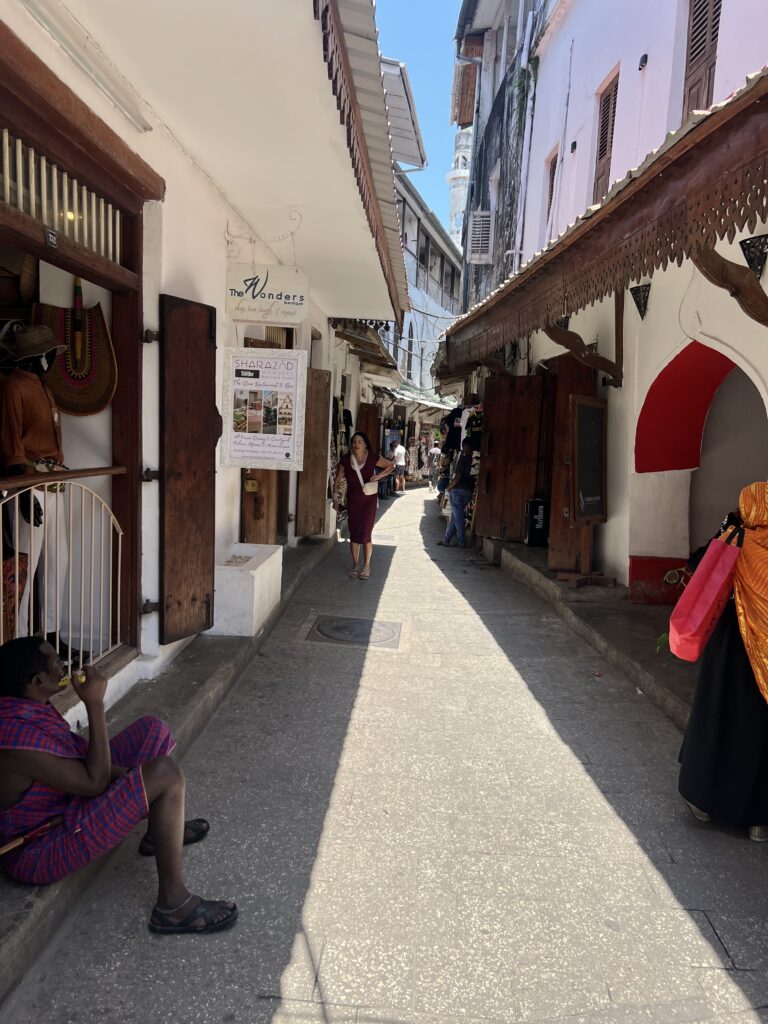
Stone Town, a UNESCO World Heritage Site, is best explored on foot and without a fixed plan. Its narrow lanes twist between coral-stone houses, small mosques and shops, and every turn seems to open onto something new.
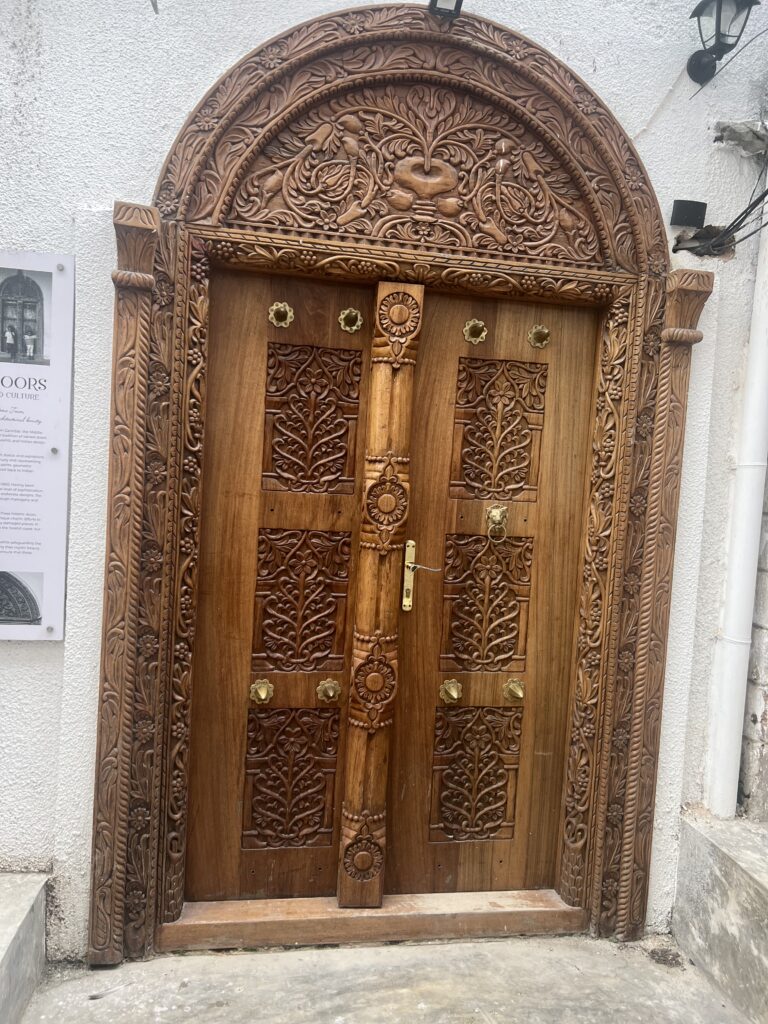
Look closely at the doors. Zanzibar is famous for its heavy, hand-carved wooden doors, many studded with brass and decorated with patterns that hint at the Swahili, Arab and Indian families who built them. Behind some of them sit quiet inner courtyards, a cool escape from the midday heat in the older homes and boutique hotels.
Spend a morning at Darajani Market, the town’s busy main market, where vendors sell spices, tropical fruit, fish and everyday goods. It is loud, colorful and real. Ask before photographing anyone, and buy a little something from the people you chat with.
The Former Slave Market: A Visit That Stays With You
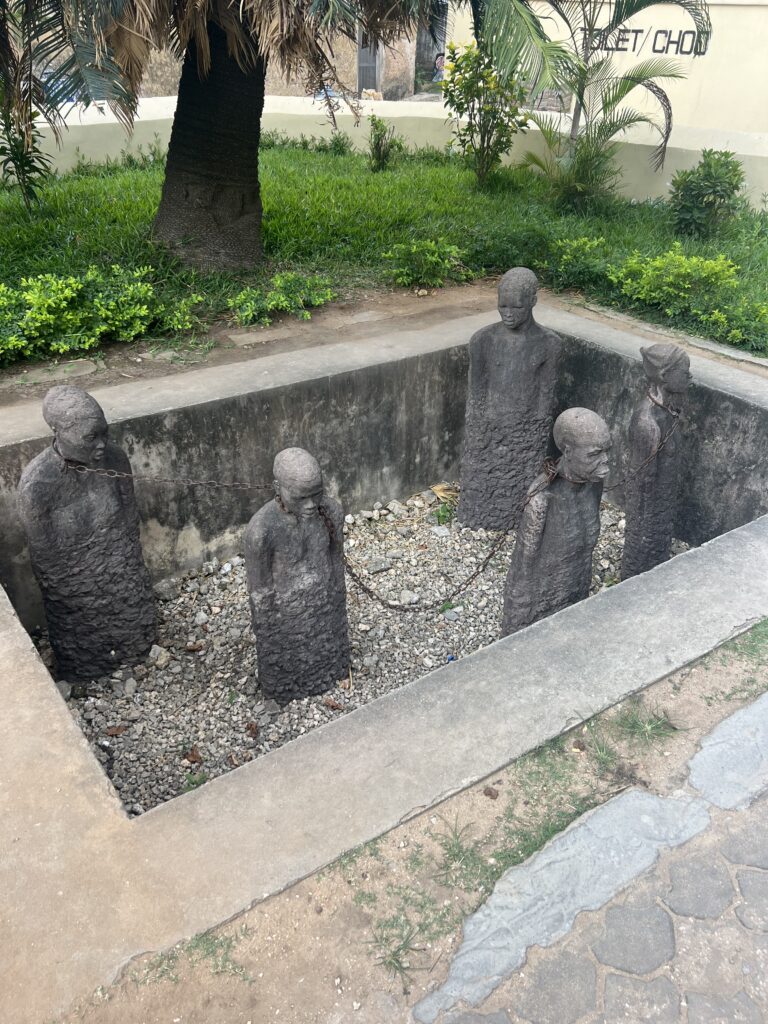
For many of our travelers, this is the most meaningful stop on the island. Zanzibar was once home to East Africa’s largest slave market. It closed in 1873, and Christ Church Cathedral was built on the site, with its altar placed where the market’s whipping post is said to have stood.
Today the site includes a heritage center and exhibit on the East African slave trade, and outside stands a haunting monument of figures in chains rising from a pit. Plan at least an hour, go with a knowledgeable local guide, and give yourself some quiet time afterward.

Mwani Zanzibar: Seaweed Farms and Island Skincare in Paje
On Zanzibar’s east coast, Paje is known for kitesurfing and long white beaches. At low tide you’ll also see rows of stakes and lines in the lagoon, where local women have farmed seaweed for decades.
Mwani Zanzibar is a small skincare business that turns locally farmed seaweed into soaps, scrubs and other natural products, with a mission to build a fairer ocean economy for the women who do this work. Visitors can walk the seaweed farms, meet the farmers, see how the products are made and browse the shop. National Geographic Traveller featured the company in September 2026 and noted that farm and factory tours cost about $10 per person.
Concierge tip: Farm walks are best at low tide, so we check the tide tables when we plan your itinerary. Wear water shoes for the sandy, sea-grass lagoon floor.
Chumbe Island Coral Park: Reef Conservation Off Stone Town
A short boat ride southwest of Stone Town, Chumbe Island is a small, privately managed nature reserve with a protected coral reef and a forest left largely untouched. Chumbe Island Coral Park runs a handful of eco-bungalows and also welcomes day visitors.
The reef is a no-take marine sanctuary, so the snorkeling is calm, colorful and far less crowded than busier spots. Overnight guests can walk forest and intertidal trails, go birding, climb the historic lighthouse and join an evening search for the giant coconut crab. Space is limited, so book well ahead for peak months.

Beaches and Water: Why They Call It the Maldives of Africa
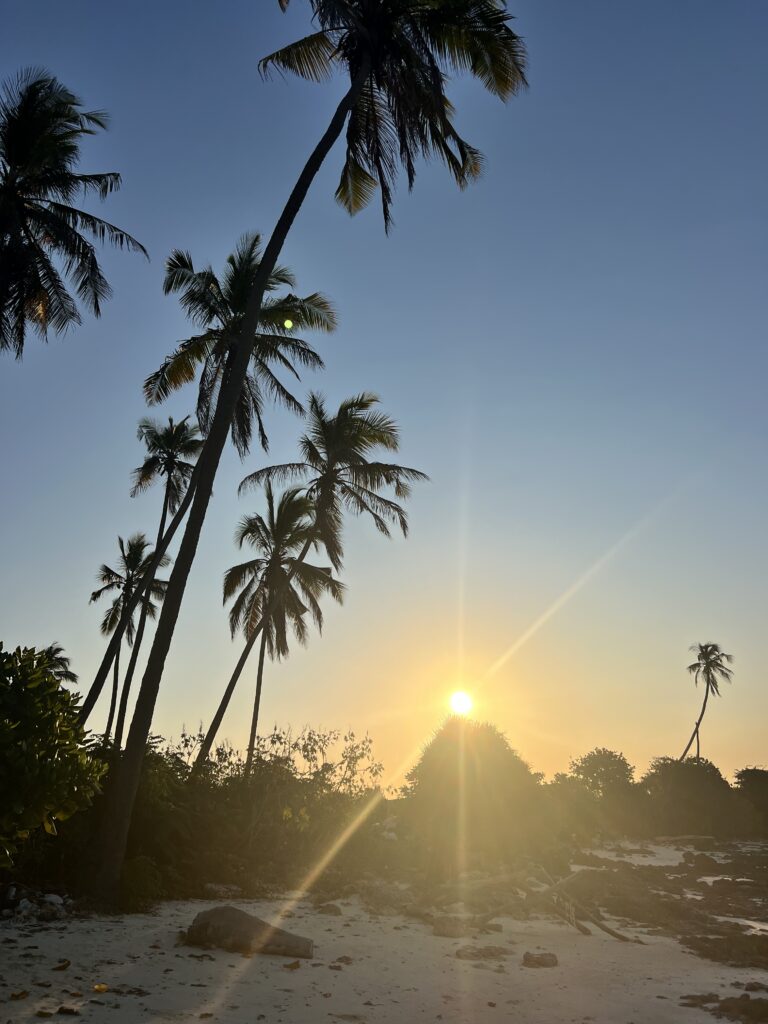
After the history and markets of Stone Town, the coast is where Zanzibar lets you exhale. The water shifts from pale aqua to deep blue, and the tides change the shoreline completely through the day. On the east coast around Paje, low tide uncovers wide sandflats you can wander for what feels like miles. In the north, the beaches tend to keep deeper water for swimming through more of the day.
We match your beach base to your style: kitesurfing and laid-back cafés, quiet boutique stays, or easy swimming right outside your door. A sunset dhow cruise is the perfect way to end a day on the water.
Getting Around by Tuk Tuk
Tuk tuks, called bajaji locally, are one of the most fun ways to move around Stone Town and its outskirts. They are open-air, easy to flag down and perfect for short hops between the market, the waterfront and your hotel. Agree on the fare before you set off. The Bolt ride app also works in Stone Town, but drivers can be scarce near the beaches, so we arrange private transfers for longer trips across the island.

Practical Tips for Visiting Zanzibar in 2026
- Safety advisory: As of October 2026, the U.S. State Department lists Tanzania at Level 2, “Exercise Increased Caution.” It was lowered from Level 3 in mid-October 2026 after unrest around the late-2025 elections. Check travel.state.gov before you go and enroll in STEP.
- Visa and insurance: U.S. passport holders need a visa for Tanzania, which covers Zanzibar; apply through the official eVisa portal. Zanzibar also requires its own inbound travel insurance, and mainland Tanzania added a similar rule on October 1, 2026. We help you sort out which applies.
- Leave the starfish in the sea: Lifting starfish out of the water for photos can harm them, so admire them where they are. Use reef-safe sunscreen and never stand on coral.
- Dress and etiquette: Zanzibar is mostly Muslim. Cover shoulders and knees in Stone Town and villages, and save swimwear for the beach. During Ramadan, avoid eating in public during daylight hours.
- Best time to go: The dry months, roughly June to October and December to February, bring the most reliable beach weather.
Plan Your Zanzibar Escape with Black List Tours
Black List Tours was founded in 2020 in Guaynabo, Puerto Rico, and we are a U.S.-based travel company that builds trips for travelers who want more than a standard itinerary. Many of our guests pair a mainland safari with a few days on Zanzibar, and we handle every transfer, guide and tide-timed visit along the way. Packages start under $999 USD per person.
Ready to go? Share your dates and travel style through the trip request form on our homepage, or explore our Tanzania and Zanzibar trips. You can also call (305) 699-5093 or email info@blacklisttours.com. Karibu Zanzibar!