
Black List Tours invites you to start in Barcelona, where Gaudí’s buildings, Gothic lanes and late-night tapas set the tone, then ride the train south along the Mediterranean to Valencia, the Costa Blanca and Alicante. The rail line hugs the coast, so you can see a big piece of Spain without ever renting a car. Your personal travel concierge will build the route around what you love, whether that’s beaches, food, history or nightlife. With packages starting under $999 USD per person, reach out today to start planning. Call us at (305) 699-5093.
Things to Know Before You Go
As of October 2026, U.S. travelers can visit Spain without a visa, but Europe’s border process is changing. Here’s what to know before you go.
Visa and Entry Requirements (U.S. travelers)
- Visa: Not required for tourist stays of up to 90 days within any 180-day period. Spain is part of Europe’s Schengen Area, so days spent in other Schengen countries count toward the same 90.
- Passport: Must be valid for at least 3 months after you leave Europe and issued within the last 10 years. We recommend 6 months of validity.
- Entry/Exit System (EES): Europe now records fingerprints and a photo at the border on your first entry. Allow a little extra time at passport control.
- ETIAS: Europe’s new online travel authorization (about €20, valid 3 years) is scheduled to start in the last quarter of 2026 but isn’t open yet. When it launches, apply only on the official EU site, never through look-alike websites.
Safety and Other Travel Rules
- U.S. State Dept Advisory: Level 2: Exercise Increased Caution, due to terrorism and civil unrest. The Spanish city of Ceuta in North Africa is Level 3, but it isn’t on this route. Read the full advisory.
- Pickpockets: Barcelona is one of Europe’s pickpocketing hot spots, especially on Las Ramblas, the metro and crowded beaches. Use a cross-body bag, keep your phone off café tables and leave your passport in the hotel safe.
- Summer heat: July and August regularly top 95°F. May, June, September and October are the sweet spot for beach weather without the crowds.
Money and Getting Around
- Currency: Euro (EUR). Cards and tap-to-pay are accepted almost everywhere.
- Barcelona tourist tax: Since April 1, 2026, hotels and rentals in Barcelona charge up to about €12 per person per night (top-end hotels), with lower rates for other stays. It’s paid at your hotel. Smaller tourist taxes also apply elsewhere in Catalonia, including Sitges and the Costa Brava.
- Trains: Spain’s national railway, Renfe, runs the coastal Euromed line from Barcelona to Valencia and Alicante. We book your seats in advance, since popular trains sell out in summer.
- Meal times: Lunch is around 2 p.m. and dinner rarely starts before 9 p.m. Do as the locals do and plan a late night.
- Power: 230V, Type C/F plugs. Bring a plug adapter.
Health and Vaccination Requirements
- No special vaccines are required. Keep routine vaccinations up to date.
- Travel insurance with medical coverage is recommended. Pharmacies (look for the green cross) are a great first stop for minor issues.
Barcelona
Barcelona has it all: world-famous architecture, a beach right in the city and some of the best food in Europe. We recommend at least 3 to 4 nights here before heading down the coast.
Gaudí’s Barcelona
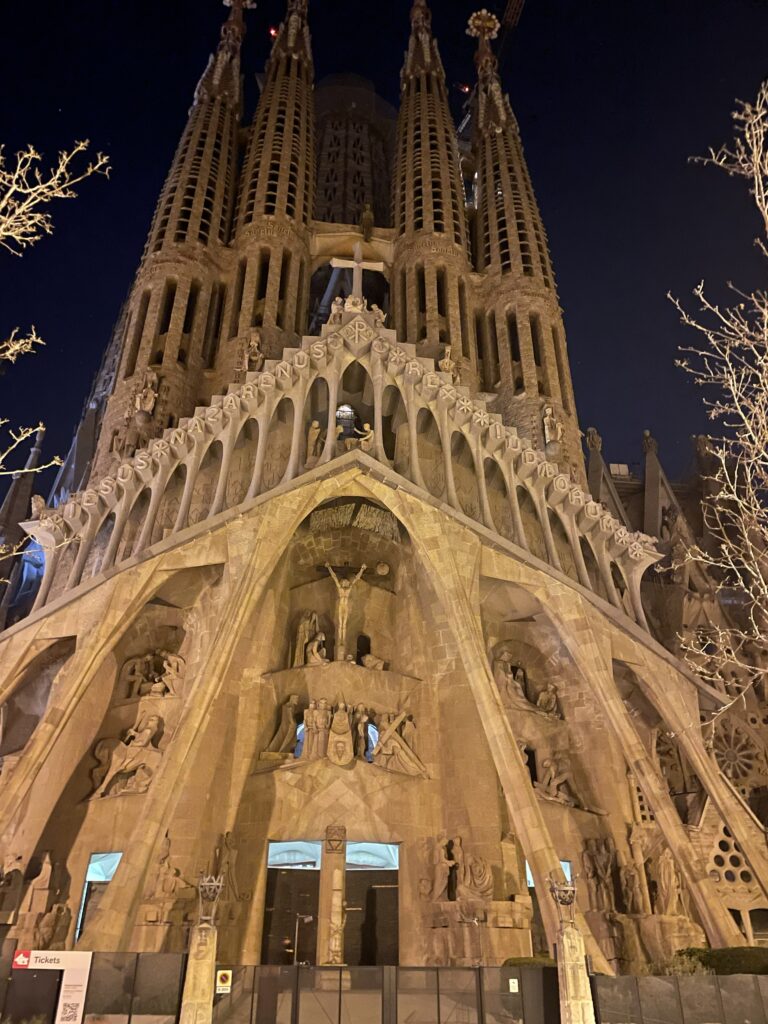
The Sagrada Família is the city’s showstopper, and Park Güell, Casa Batlló and La Pedrera (Casa Milà) are close behind. All of them use timed tickets that sell out, so we reserve them for you before you land.
The Gothic Quarter and El Born
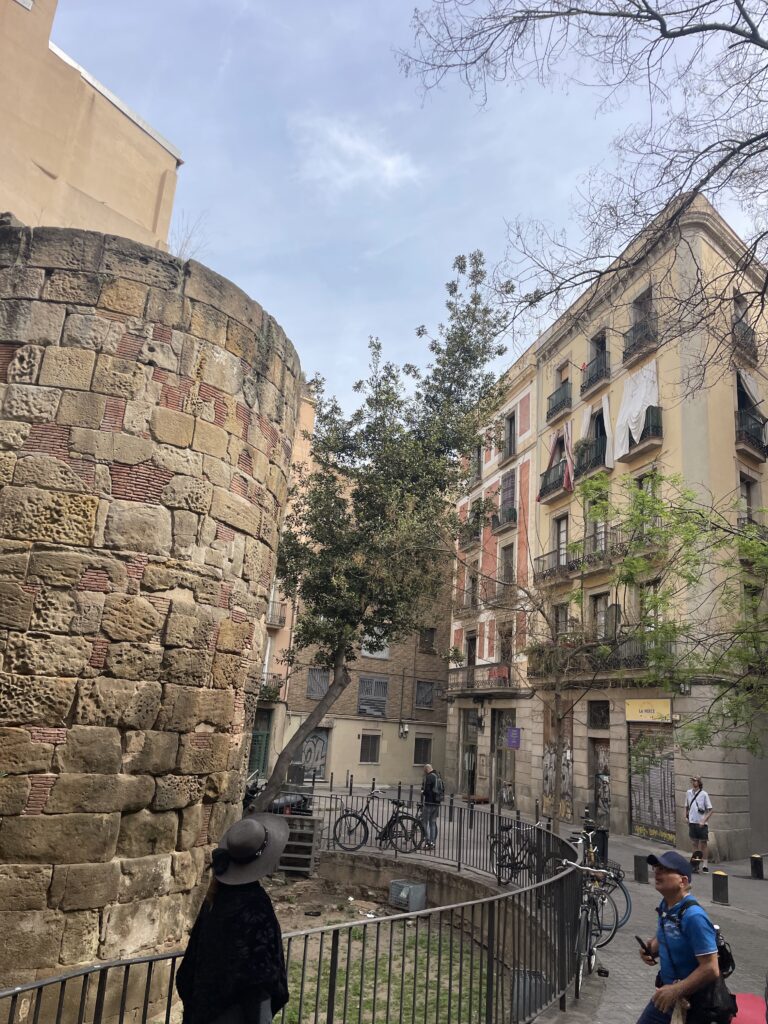
Get lost in narrow medieval streets around Barcelona Cathedral, then cross into El Born for the Picasso Museum, the soaring Santa Maria del Mar church and tiny cocktail bars.
Eat and Drink Like a Local
Graze through La Boqueria market, hop between tapas bars, try a pre-dinner vermouth (vermut) and order the cava. Ask us for our favorite spots away from the tourist traps on Las Ramblas.
Beaches and Views
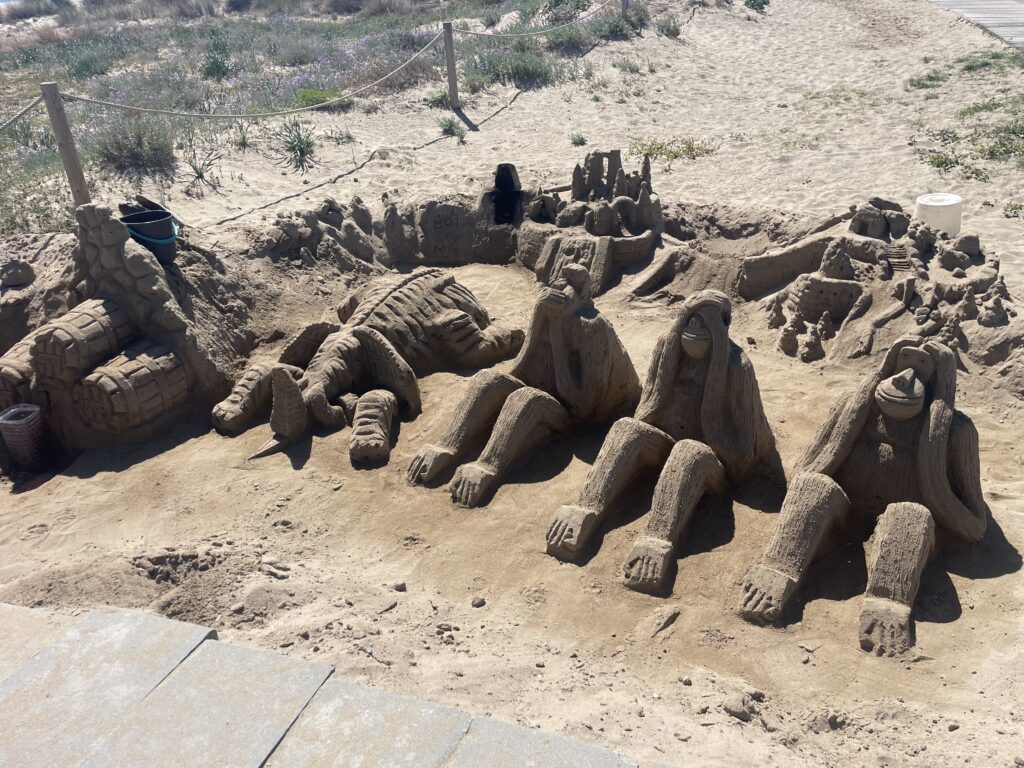
Barceloneta beach is a short walk from the Gothic Quarter. For sunset, ride up to Montjuïc or climb to the Bunkers del Carmel for a 360-degree view of the city and the sea. Want more room on the sand? Hop the R2 Sud commuter train about 20 minutes south to the long, wide beach at Castelldefels.
Easy Day Trips by Train
- Sitges: A whitewashed beach town with a lively, welcoming vibe, about 40 minutes south on the R2 Sud commuter line.
- Montserrat: A mountaintop monastery among jagged peaks, about 75 minutes by train plus a rack railway or cable car.
- Girona: A medieval walled city about 40 minutes away by high-speed train, and the gateway to the Costa Brava.
Ride the Coast: Barcelona to Alicante by Train
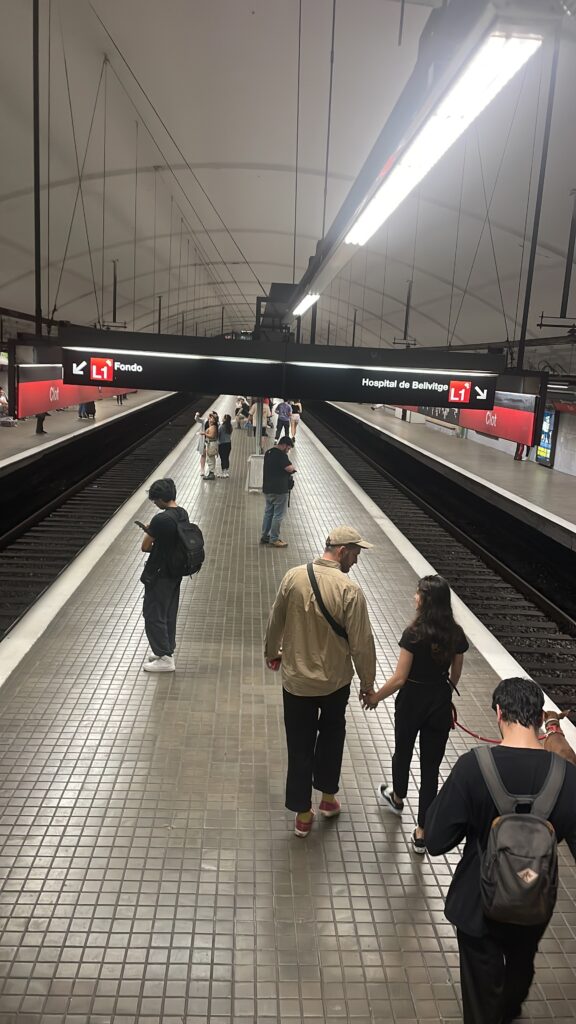
The best part of this trip is how easily it links together. From Barcelona, the rail line runs south along the Mediterranean, often with the sea right outside your window.
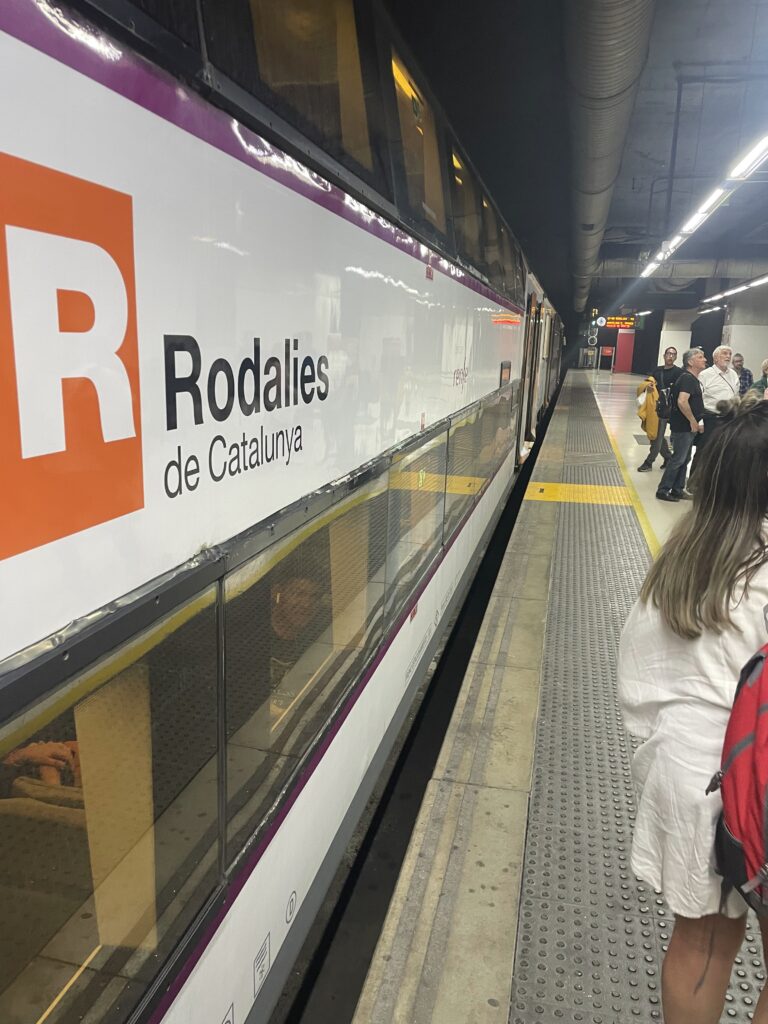
Approximate travel times:
- Barcelona to Tarragona: About 1 hour by regional train (take it to Tarragona’s central station, not Camp de Tarragona).
- Barcelona to Valencia: About 3 hours on the Euromed.
- Valencia to Alicante: About 2 hours.
Times are approximate and track work occasionally changes weekend schedules, so we check the timetable and book your seats when we build your itinerary.
Key Stops Along Spain’s East Coast
Costa Brava
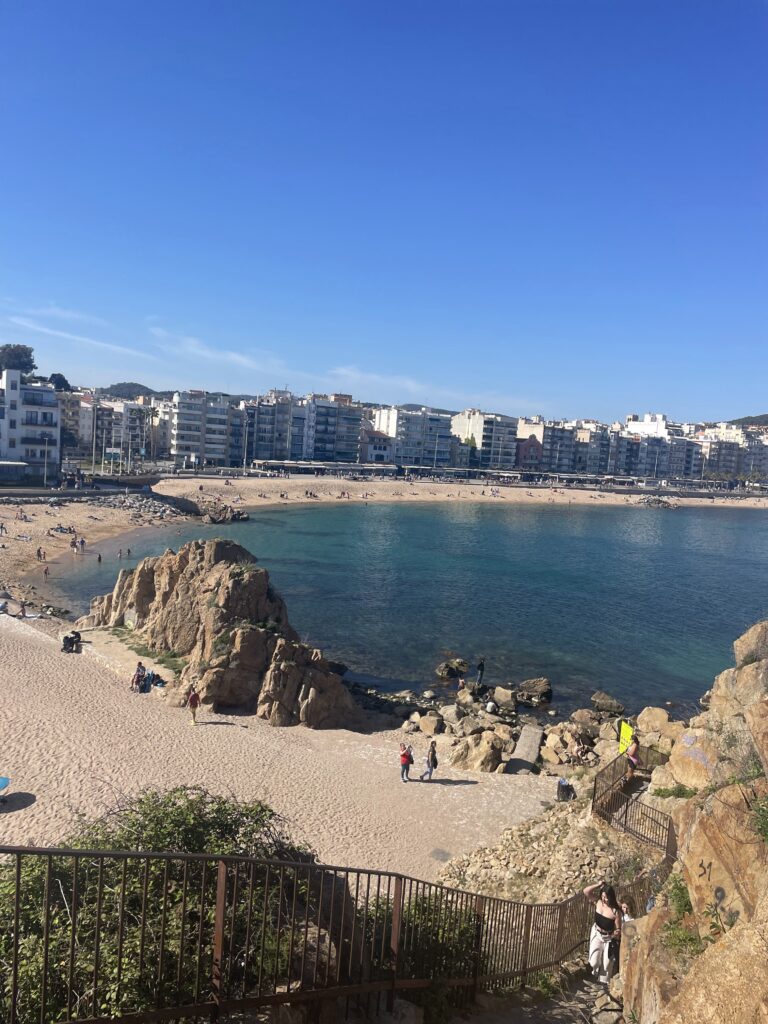
North of Barcelona, a rugged coastline of hidden coves and fishing villages like Tossa de Mar, Calella de Palafrugell and Cadaqués, where Salvador Dalí made his home. Base yourself in Girona or let us arrange a driver. Blanes, where the Costa Brava begins, is reachable straight from Barcelona on the R1 commuter train.
Tarragona
Once the Roman city of Tarraco, with a seaside amphitheater and ancient walls. The Costa Daurada’s golden beaches and the PortAventura theme park are nearby.
Peñíscola
A walled old town and castle on a rocky peninsula jutting into the sea, a favorite of film crews and a fun overnight on the way south.
Valencia
Spain’s third-largest city and the birthplace of paella. Don’t miss the futuristic City of Arts and Sciences, the Central Market, the Turia Gardens park and a paella lunch in the rice fields of La Albufera. Visit in mid-March for the Las Fallas festival.
Costa Blanca
Between Valencia and Alicante, find the coves of Xàbia (Jávea), the white hilltop old town of Altea and the giant Peñón de Ifach rock in Calp.
Alicante
A palm-lined seafront promenade, the hilltop Santa Bárbara Castle and easy beach days. Its airport makes it a convenient place to end your trip.
Add an Island
Ferries run from Barcelona, Valencia and Dénia to Mallorca and Ibiza if you want to finish with a few days on the Balearic Islands.
A Sample 10-Day Route
- Days 1 to 4: Barcelona, with a day trip to Sitges or Montserrat.
- Days 5 to 7: Train to Valencia for paella, the City of Arts and Sciences and beach time.
- Days 8 to 10: Train to Alicante, with a day exploring Altea and the Costa Blanca, then fly home via a European hub.
Every trip is custom, so we can stretch it, shorten it or add the Costa Brava, Tarragona or an island. Whether you’re after Gaudí, golden beaches or the best paella of your life, Spain’s east coast delivers. Contact Black List Tours today at (305) 699-5093 to start planning your Spanish adventure!